
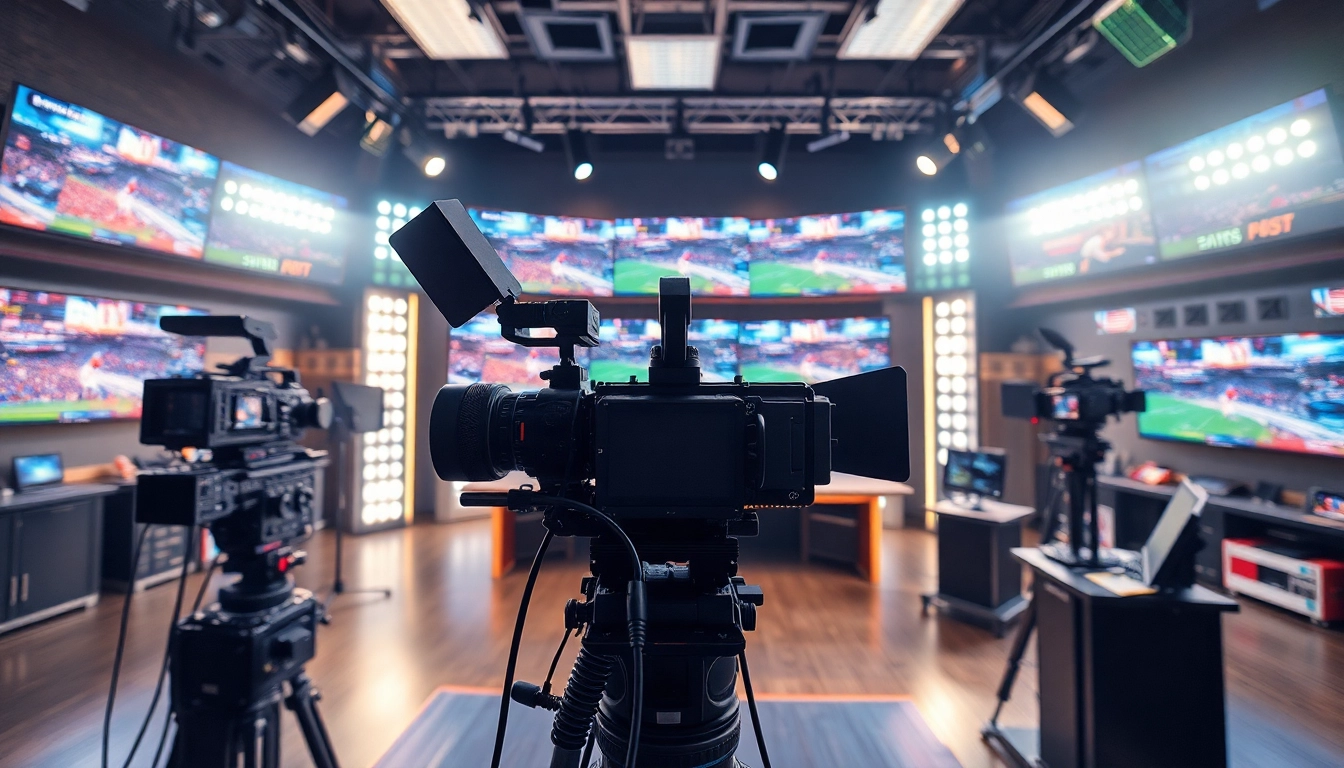
Understanding Sports Broadcasting
Definition and Importance of Sports Broadcasting
Sports broadcasting refers to the distribution of live or recorded sporting events via radio, television, or online platforms. Its significance lies not only in delivering exciting content to fans but also in providing vital information and analysis surrounding sports events. In an era where audiences crave instant access to their favorite games, understanding this field’s nuances—a blend of entertainment, information, and engagement—is essential for both aspiring professionals and avid fans. Sports Broadcasting allows for real-time interaction and accessibility, fostering deeper connections among viewers, fans, and athletes alike. From creating buzz around an upcoming match to intricate commentary during the game, sports broadcasting plays a key role in the sports ecosystem. The evolution of Sports Broadcasting has transformed how audiences experience athletic competitions, making it a vital part of our cultural fabric.
Key Components of Sports Broadcasting
Several core elements constitute effective sports broadcasting: content delivery, audience engagement, and technical proficiency. First, the content must capture the essence of the game—includes play-by-play commentary, in-depth analyses, and post-game discussions. Audience engagement is achieved through interactive features like fan polls, real-time social media commentary, and behind-the-scenes access that enhance viewer experience. Lastly, technical proficiency involves familiarizing oneself with broadcasting tools such as cameras, microphones, and editing software to produce high-quality broadcasts. These components work synchronously to create compelling sports narratives that resonate with audiences and build a loyal viewer base.
Types of Sports Broadcasting Formats
Sports broadcasting can be categorized into several formats, each offering unique experiences to viewers: live broadcasts, pre-game and post-game shows, highlight reels, and analysis shows. Live broadcasts enable fans to witness events as they unfold, enhancing the overall thrill of the experience. Pre-game and post-game shows set the stage for a game and recap key moments, providing valuable insights that elevate audience understanding. Highlight reels compile significant game moments, serving as a quick refresh for fans or a highlight reel for those who missed the event. Lastly, analysis shows dive deep into statistics, player performances, and strategies, catering to hardcore fans looking for a comprehensive perspective. Each format has its strengths, appealing to various audience segments and ensuring diverse broadcasting strategies.
Essential Skills for Sports Broadcasting
Communication and Presentation Skills
Exceptional communication is a pillar of successful sports broadcasting. Broadcasters must articulate thoughts clearly and engagingly while also being able to improvise. Presentation skills extend beyond speech; body language, facial expressions, and confidence play pivotal roles in how the audience perceives the broadcaster. It’s crucial to connect with viewers on an emotional level, which often requires broadcasters to share personal anecdotes or opinions about the game or athletes involved. Continuous practice, as well as solicitous feedback, are fundamental to refining these skills over time.
Technical Proficiency in Broadcasting Tools
In today’s broadcasting environment, technical proficiency is indispensable. Understanding how to operate various tools, including cameras, audio equipment, and editing software, directly impacts the quality of a broadcast. Familiarity with software applications used for video editing and graphic overlays can set a broadcaster apart. Training through internships or mentorships provides practical experience, while online courses and workshops enable aspiring broadcasters to stay abreast of industry developments. Mastering these tools enhances the overall production quality and helps engage audiences more effectively.
Research and Preparation Techniques
Effective preparation is pivotal for successful broadcasting. Researching teams, players, past performances, and statistics equips broadcasters with the information necessary to deliver insightful commentary. Viewing previous games and conducting interviews with players or coaches fosters deeper understanding. Creating an outline or script, while maintaining the ability to adapt on the fly, helps ensure smooth delivery. Networking within the sports community and utilizing press releases or official stats can also be invaluable resources in preparation. This diligence ensures that broadcasts are informative and trustworthy, ultimately enhancing audience credibility.
Best Practices in Sports Broadcasting
Creating Engaging Content for Audiences
To keep viewers glued to their screens, broadcasters must create engaging content that resonates. This entails developing a unique narrative for each broadcast, utilizing storytelling techniques that draw viewers in, and fostering emotional connections with athletes and teams. Interviews with players, expert commentary, and fun facts about the sport can keep the content fresh and engaging. Employing humor or relatable moments can also enhance viewer enjoyment, making sports broadcasts not just informative but entertaining as well.
Building Relationships with Sports Teams and Fans
Establishing rapport with teams and fans is vital for successful sports broadcasting. On-screen personalities should strive to cultivate relationships with athletes, coaches, and front-office staff to access unique insights and behind-the-scenes stories. Similarly, engaging with fans on social media platforms helps create a community around the broadcast, inviting feedback and fostering loyalty. Broadcasters can host giveaways, live Q&A sessions, or fan contests to bridge the gap and create a more interactive viewing experience.
Utilizing Social Media and Online Platforms
Social media has become an indispensable tool in sports broadcasting, allowing broadcasters to enhance viewer engagement and reach wider audiences. Twitter, Instagram, and TikTok serve as platforms for sharing highlights, snippets, and interactive polls, creating a buzz around the broadcast. Utilizing live video features can also deliver real-time content, catering to fans who seek immediate interaction. Crafting unique hashtags and encouraging audience participation can lead to organic growth and build a strong online presence, ultimately leading to increased viewership.
Challenges in Sports Broadcasting
Adapting to Rapid Technological Changes
The broadcasting landscape is constantly evolving due to technological advancements, from high-definition video to live streaming capabilities. Staying updated on the latest tools and trends is essential for broadcasters to maintain relevance. Continuous professional development through workshops, tutorials, and staying informed about emerging technologies can alleviate the challenges posed by rapid advancements. Understanding how to leverage new technologies can also improve the viewer experience, making adaptability a key skill in successful sports broadcasting.
Managing High-Pressure Situations
Sports broadcasting often takes place in fast-paced, high-energy environments. Broadcasters must remain calm and composed while delivering live commentary, especially during critical moments of a game. Developing strong coping strategies—such as practice runs, visualization techniques, and deep-breathing exercises—can significantly enhance performance under pressure. Familiarizing oneself with potential scenarios and having contingency plans can also mitigate the impact of unexpected events or technical difficulties during a broadcast.
Dealing with Ethical and Legal Considerations
Sports broadcasters must navigate a variety of ethical and legal considerations, including fair reporting and respecting copyright laws. Ensuring accurate representation of events and avoiding sensationalism is crucial to maintain integrity. Furthermore, obtaining proper permissions for interviews, footage, or music is essential to avoid legal repercussions. Staying informed about regulations governing broadcasting and adhering to journalistic ethics can help bridge the gap between exciting content and lawful presentation.
Future Trends in Sports Broadcasting
The Role of Virtual Reality and Augmented Reality
The integration of virtual reality (VR) and augmented reality (AR) in sports broadcasting promises transformative viewer experiences. By providing fans with immersive environments, they can engage with games like never before. Virtual experiences can simulate being in the stadium, offering unique angles and interactive elements that enhance fan interactions. These technologies promise to alter not just how events are viewed but also how narratives are constructed around games, providing a more layered experience.
Emerging Platforms and Viewer Preferences
The rise of streaming platforms and on-demand content has reshaped viewer preferences, leading to an increase in mobile viewing trends. Traditional broadcasters must adapt to this change by being present on multiple platforms, offering flexibility to viewers. Understanding audience analytics can help tailor content to suit specific demographics, ensuring broadcasts remain relevant and engaging. Flexibility in content delivery will become essential as viewers continue to drift towards platforms that offer convenience and personalization.
Impact of Data Analytics on Broadcasting Decisions
Data analytics is becoming increasingly vital in shaping broadcast decisions. By analyzing viewer data, broadcasters can identify trends, preferences, and engagement metrics to tailor their content effectively. This data can inform decisions about camera angles, commentary focus, and even the types of storylines presented during a broadcast. Leveraging analytics facilitates real-time adjustments during live events, enabling a more tailored viewer experience. The future lies in harnessing this information to create broadcasts that not only entertain but also deeply engage audiences.
FAQs
What skills are essential for a sports broadcaster?
Essential skills include strong communication, research abilities, and technical expertise in broadcasting tools.
How can one improve their presentation in sports broadcasting?
Practice regularly, gather feedback, and study other successful broadcasters to enhance your delivery.
What are common challenges faced in sports broadcasting?
Common challenges include keeping up with technological advancements and managing the pressure during live events.
How can social media enhance sports broadcasting?
Social media allows for real-time interaction with fans, expanding outreach and engagement significantly.
What future trends can we expect in sports broadcasting?
Expect greater integration of technology like VR, personalized content delivery, and increased data analytics.